

Low Flashpoint Bunkers in Indonesia
Low Flashpoint Bunkers in Indonesia
FINDINGS & INSIGHTS
Maritec Pte Ltd has tested seven samples from four different suppliers representing HSD and Bio Distillate grade deliveries in Indonesia with flashpoint as low as 35°C for the period of 10 December 2023 to 19 December 2023.
SOLAS Chapter II-2, Part B, Reg. 4. Clause 2.1.1 states:
“The following limitations shall apply to the use of oil as fuel, except as otherwise permitted by this paragraph, no oil fuel with a flashpoint of less than 60°C shall be used.”
Recommendations by CTI-Maritec:
If your vessel has bunkered a low flashpoint fuel it is prudent to observe the below precautions.
- Flame screens on tank vents should be maintained in good condition and there should be no sources of ignition in the vicinity of the vents. This will assist in safe natural ventilation of volatile components in the fuel.
- No Smoking, No naked flame and No hot work must be allowed at any areas near to tank air vents.
- Send additional tank(s) samples upon arrival in port to check the fuel properties and flash point results especially if there has been co-mingling of fuels in bunker tanks.
- If the vessel is out at sea it may be possible to obtain dispensation from your Flag State Administration up to next arrival port.
- Put the supplier on notice promptly and notify your P&I club.
ISO 4259 interpretation for tested flashpoint temperature is not taken into consideration here as the safety of onboard crew and vessel is of higher precedence.
This document however does not reflect on the overall quality of fuel being supplied at Indonesia, if you intend to bunker at this region please request for a Certificate of Quality prior to loading.
Maritec Pte Ltd can assist you in with further information on quality of bunkers tested in different regions. If you require any other information or assistance do not hesitate to contact us.
Bunker Flash
Nothing found.


Low Flashpoint Bunkers in Singapore and Indonesia
Low Flashpoint Bunkers in Singapore and Indonesia
FINDINGS & INSIGHTS
Maritec Pte Ltd has tested three samples of VLSFO deliveries in Singapore with flashpoint as low as 54°C from different suppliers and barges as well as eleven samples (from the period of 5th September 2023 to 19th October 2023) of HSD and B35 deliveries in Indonesia with flashpoint as low as 41°C from mostly a single supplier.
SOLAS Chapter II-2, Part B, Reg. 4. Clause 2.1.1 states:
“The following limitations shall apply to the use of oil as fuel, except as otherwise permitted by this paragraph, no oil fuel with a flashpoint of less than 60°C shall be used.”
Recommendations by CTI-Maritec:
If your vessel has bunkered a low flashpoint fuel it is prudent to observe the below precautions.
- Flame screens on tank vents should be maintained in good condition and there should be no sources of ignition in the vicinity of the vents. This will assist in safe natural ventilation of volatile components in the fuel.
- No Smoking, No naked flame and No hot work must be allowed at any areas near to tank air vents.
- Send additional tank(s) samples upon arrival in port to check the fuel properties and flash point results especially if there has been co-mingling of fuels in bunker tanks
- If the vessel is out at sea it may be possible to obtain dispensation from your Flag State Administration up to next arrival port
- Put the supplier on notice promptly and notify your P&I club.
ISO 4259 interpretation for tested flashpoint temperature is not taken into consideration here as the safety of onboard crew and vessel is of higher precedence.
This document however does not reflect on the overall quality of fuel being supplied at Singapore, if you intend to bunker at this region please request for a Certificate of Quality prior to loading.
Maritec Pte Ltd can assist you in with further information on quality of bunkers tested in different regions. If you require any other information or assistance do not hesitate to contact us
DOWNLOAD THIS BUNKER FLASH
Bunker Flash
Nothing found.
Update On Houston Bunker Fuel Problem
Update on Houston Bunker Fuel Problem
FINDINGS & INSIGHTS
In recent times, there have been notable machinery issues affecting vessels bunkering from the United States, particularly in the Houston area. These problems include failures in Main Engine startup, loss of power from auxiliary engines resulting in the loss of propulsion, and fuel pump malfunctions, among others. These concerns have been widely reported in the news.
CTI-Maritec, an independent fuel testing laboratory, has undertaken an investigation into fuel samples collected from this region. The analysis has revealed elevated levels of specific compounds, which have raised concerns about the stability of the fuel being used in these vessels.
Over the past few months, our testing has identified three vessel fuel samples with significantly high levels of two compounds:
- Dihydro-dicyclopentadiene (ranging from 1200 ppm to 6000 ppm) and
- Tetrahydro-dicyclopentadiene (ranging from 2500 ppm to 5500 ppm).
These samples exhibited a poor reserve stability, measured using manual P-value by SMS1600 test method. This suggests a lack of homogeneity in the fuel sample, which could potentially pinpoint to similar conditions in the supplied fuel.
Table 1 shows our finding for one of the samples upon progressive dilution with cetane, a paraffinic solvent prescribed for SMS1600 test method.
Table 1: Progressive cetane dilution and microscopic observation
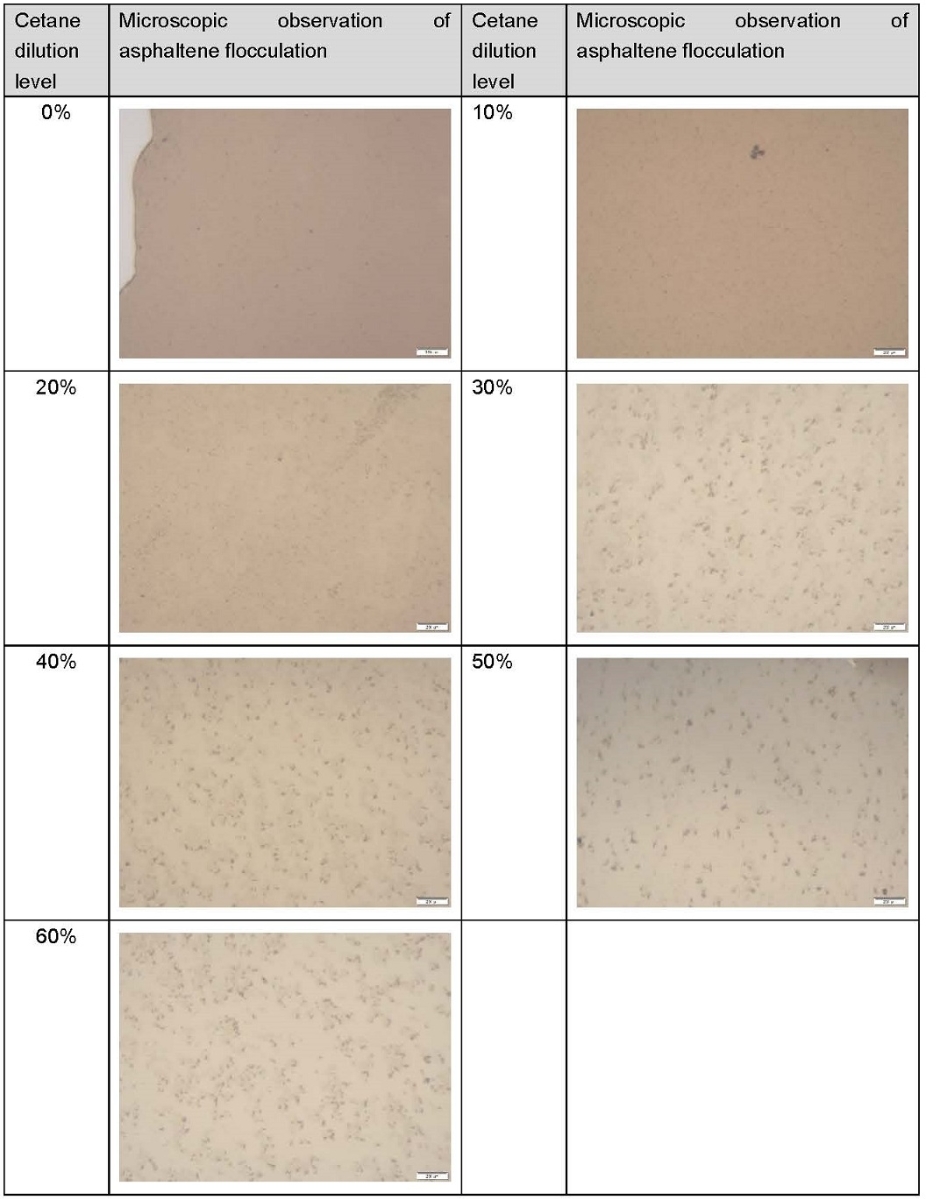
For acceptable fuel stability asphaltene flocculation generally does not occur upon cetane dilution up to 30%, and fuels that are able to withstand dilution up to 50% are considered as stable fuels for strategic long-term storage.
For the sample tested, asphaltene flocculation was detected prior to cetane dilution and gradual increase of cetane % increased the observed flocculation levels which indicates the fuel has poor stability reserve.
The presence of the compounds detected at elevated levels for the fuels tested increases the risk of unmanageable sludge deposition in the fuel oil system. This, in turn, can result in complications related to fuel treatment processes and engine operation.
It is worth noting that while these compounds are commonly found in marine bunker fuels, their current prevalence in this region is unusually high. This may indicate inadequate quality control measures within the production and supply chain.
Based on the above findings, it can be argued that these fuels represented by the tested samples may not meet the general requirements outlined in clause 5 of ISO8217. Therefore, if your vessel is bunkering in this area, we strongly advise you to request the fuel supplier to provide a Certificate of Quality from an accredited laboratory. This certificate should, at a minimum, confirm the absence of the aforementioned compounds using accredited GC-MS methods. This precautionary measure is crucial to ensure the safe and reliable operation of your vessel’s machinery.
This document however does not reflect on the overall quality of fuel being supplied in the Houston region.
Maritec Pte Ltd can assist you in with further information on quality of bunkers tested in different regions. If you require any other information or assistance do not hesitate to contact us
DOWNLOAD BF202310-01
Bunker Flash
Nothing found.
Analysis Methods for Measuring Stability, Stability Reserve & Compatibility of Residual Marine Fuels
Analysis Methods for Measuring Stability, Stability Reserve and Compatibility of Residual Marine Fuels
Table of Contents
- 1. Introduction
- 2. Blending Residual Marine Fuel: Ensuring Quality, Stability, and Combustion Properties
- 3. Blending of Very Low Sulphur Fuel Oil (VLSFO, IMO 2020 Compliant Fuel)
- 4. Fuel characteristics evolution and potential quality issues due to 0.5%S Limit
- 5. Composition of residual marine fuels leading to sludging issues
- 6. Common Terminology for describing the risk of asphaltene precipitation
- 6.1. Stability
- 6.2. Compatibility
- 6.3. Stability Reserve
- 7. Evaluating the stability reserve by chemical ageing
- 7.1. Total Sediment Accelerated (TSA)
- 7.2. P-value by SMS 1600 for Measuring Stability Reserve
- 8. Findings
- 8.1. Low Stability Reserve Fuels and Unstable Fuels Which Contain Alkylresorcinols & Phenolic Compounds- Summary Data
- 8.2. Low Stability Reserve Fuels and Unstable Fuels Which Contain Phenolic Compounds – Summary Data
- 8.3. Low Stability Reserve Fuels and Unstable Fuels Which Contain Chlorinated Organic Compounds – Summary Data
- 8.4. Low Stability Reserve Fuels and Unstable Fuels Detected to Contain Slightly Reactive Hydrocarbons with Double Bond – Summary Data
- 8.5. Low Stability Reserve Fuels and Unstable Fuel Due to Insufficient of Aromaticity – No Deleterious Materials are Detected by GC/MS Analysis
- 9. Recommended counteractions by operators when onboard fuel is unstable
- 10. Maritec Fuel Cleanliness, Stability, Stability Reserve, Asphaltene Content and Fuels Compatibility Analysis Techniques
- 11. Conclusion
- 12. Moving Forward
- 13. Reference
Indroduction
Since 1 January 2020, the International Maritime Organization (IMO) has enforced a 0.50% global sulphur cap for the shipping industry to reduce sulphur oxide emissions. A comparison of pre-IMO 2020 fuels and post-IMO 2020 fuels reveals that the latter exhibit greater instability, waxiness, lower density & viscosity, lower micro carbon residue (MCR), lower calculated carbon aromaticity index (CCAI), lower vanadium content, higher net specific energy, higher pour point, and higher acid number. The decreased stability reserve (higher paraffinic and lower aromatic content) of post-IMO 2020 fuels also raises concerns about compatibility issues when different fuels are mixed.
To address these challenges, Maritec lab is equipped with the necessary equipment and testing methods to assess the cleanliness, stability, stability reserve, compatibility, and cold flow properties of post-IMO fuels. Given that fuel stability is the primary concern with Very Low Sulphur Fuel Oils (VLSFOs), this article focuses on reviewing fuel stability, fuel stability reserve, and the corresponding analysis techniques.
……………………………..
Download the full article of Whitepaper
Newsletter & Whitepapers
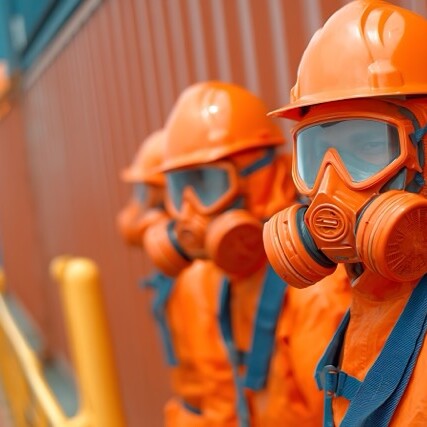
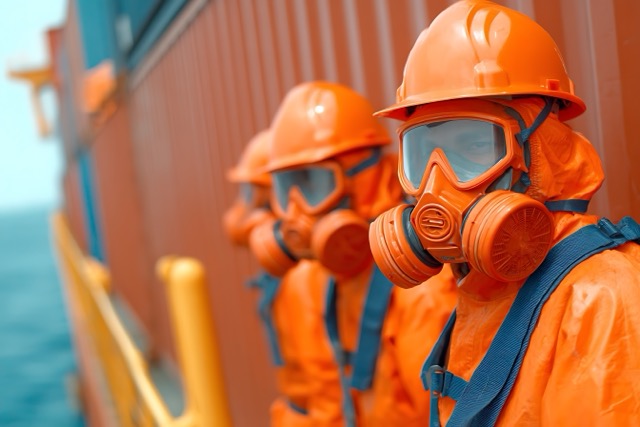
Asbestos Removal should take place 3 Years from the date found in the IHM Part I Survey
Asbestos Removal should take place 3 Years from the date found in the IHM Part I Survey
Introduction
The EU Ship Recycling Regulation No 1257/2013 (hereafter referred to as EU SRR) entered into force in December 2013 with the deadline to fully comply by 31st December 2020. Within that timeframe, Shipowners were required to obtain the Inventory of Hazardous Material (IHM) Certificate or Statement of Compliance by contracting expert hazmat approved personnel or companies to perform professionally executed onboard sampling and visual check plan under IHM Part I.
The EU SRR regulation covers 15 Hazardous Materials (13 Hazardous Materials as per Hong Kong Convention and two additional hazardous materials, which is PFOS and HBCDD), with a main concern being Asbestos, which is regulated under SOLAS Regulation II-1/3-5.
What do the SOLAS regulation and related IMO Guidelines state about Asbestos Material onboard vessels & its removal?
Since 1st July 2002, under the SOLAS Regulation II-1/3-5 it states that all installation of material that contained asbestos substances was prohibited for all ships except for some used in exceptional cases. From 1st January 2011, any “new” installation of materials which contain asbestos has been strictly prohibited. According to MSC.1-Circ.1374, ships built before 1st July 2002 are allowed to have ACMs on board. However, the ACMs are only allowed as long as they do not pose a risk to the crew’s health. Since 1st July 2002, new installation of ACMs on board all ships have been allowed only in exceptional cases, and from 1st January 2011, it has been prohibited to have any new installations onboard.
The removal – assigned to professional asbestos removal companies – SHOULD TAKE PLACE WITHIN A TIME FRAME OF 3 YEARS FROM THE DATE WHEN THE CONTRAVENTION IS FOUND and should be conducted in close consultation with and, where applicable, under the supervision of the Flag State concerned. In such cases, a suitable exemption certificate should be issued by the flag State and Asbestos disposal should be followed as per the local laws and should avoid going against the Basel convention.
LET THE STATISTICS DO THE TALKING.
- According to CTI-Maritec’s database on IHM Part I and Asbestos Surveys, approximately 184 vessels in 2020, 365 vessels in 2021 and 355 vessels in 2022 were found to have contained Asbestos Materials at least one or more locations sampled – Have all these vessels completed their Asbestos Removal?
- From the PSC inspection results registered in the Paris MoU from year 2020 till today, a total number of 73 ships were found with deficiencies and 4 detentions were applied related to Asbestos containing materials and ACM statement of compliance (including exemption). This was due to No ACM statement of compliance and/or improper mitigation plans such as Asbestos Registry requirements, Asbestos Management Plan, Asbestos Abatement Reporting and/or exceeding validity of asbestos to be removed. – The risk of not taking proper action is very clear!
What are the general requirements to protect your vessels from consequences?
In order to prevent such risk of detainment due to asbestos on board, Ship Owners and Managers must ensure certain requirements are met and actively followed/obtained.
GENERAL CHECKLIST OF KEY REQUIREMENTS WHEN ASBESTOS IS FOUND ONBOARD:
- Complete Asbestos Registry Requirements
- Maintain onboard a professionally developed Asbestos Management Plan
- Apply Asbestos exemption certificate from Flag State
- Contract a professional asbestos removal company to conduct the removal within the 3-year stipulated timeframe and to develop the Removal Report for submission to the Flag State
- Ensure Quality Air Control is executed for all stipulated requirements to make sure your vessel is declared free from Asbestos
- Obtain and securely keep onboard/record of the Asbestos Waste Disposal Certificate
- Update IHM Part I
Handy links to learn more:
- For DNV FAQs on EU SRR IHM Regulations, SOLAS & IMO Guidelines
- IMO Guidelines
Support from CTI-Maritec:
CTI-Maritec provides end-to-end services to cover all your requirements for Asbestos Removal, Asbestos Management Plans and Air Monitoring as per EU SRR and IMO regulations. Benefit from:
- Unmatched expertise in the field: As a leading service provider in the area of Inventory of Hazardous Materials (IHM) surveys, IHM Maintenance, Asbestos Solutions and Responsible Ship Recycling Supervision, till date, CTI-Maritec has completed HazMat related projects for over 5,000 vessels.
- Speedy Technical Advise and Guidance: Our team of experts are committed to providing speedy and accurate guidance for all your technical queries and requirements.
- Risk Mitigation: We will help guide you with your prerequisites to help with mitigation of risks.
- IHM Maintenance: We currently conduct IHM Maintenance on behalf of ship owner and ship management.
To know more, Click Here to visit our website or write to admin@maritec.com.sg
Newsletter & Whitepapers
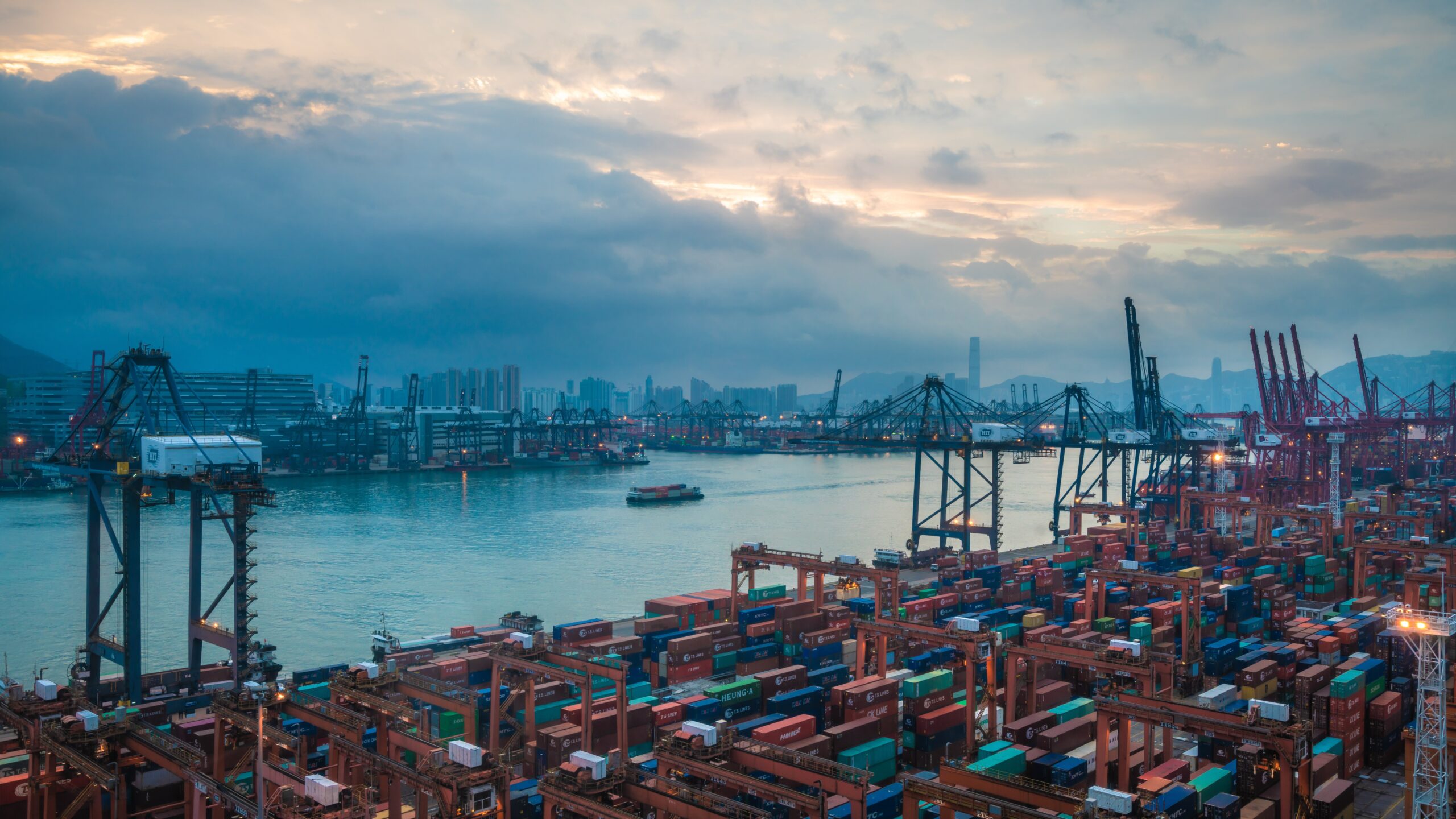
Update-Chemical Contaminants in Fuels from ARA Region
Update-Chemical Contaminants in Fuels from ARA Region
FINDINGS & INSIGHTS
Since the last alert (BF202207-01) dated on 05-July-2022 on Chemical Contaminants in Fuels from ARA Region (Amsterdam, Rotterdam & Antwerp), CTI-Maritec has kept a close watch on the fuel quality in the region. More recently, several VLSFOs delivered in this region are still observed with the presence of chemical contaminants. These VLSFOs also indicated elevated potassium content and acid number.
Forensic analysis by Gas Chromatography and Mass Spectrometry techniques, specifically ASTM D7845 GC/MS and Solid Phase Extraction (SPE) GC/MS, on some of the samples revealed the presence of the following compound groups at abnormally high concentrations
- Fatty Acids and Monoglycerides (>1000ppm)
- Alkylresorcinols (>2000ppm)
- Phenolic compounds (>1000ppm)
It is difficult to determine a safe concentration level suitable for marine diesel engine usage or the baseline wherein machinery problems may occur. Due to the severity of the Machinery problems faced, we urge vessel operators to continue pre-emptively testing the fuels bunkered in the region by accredited test methods to detect these contaminants assessing the risk each bunker stem has on the vessel machinery.
Recommendation by CTI-Maritec:
- Obtain quality assurance and test proof from suppliers on the absence of contaminants in the intended stem prior bunker delivery (This will require testing beyond the scope of standard ASTM D7845-20 test method)
- Plan your bunkers well in advance to keep the incoming fuel segregated and reduce the risk of comingling.
- Ensure sampling procedure during bunkering is witnessed by both supplier and receiver and sample bottles are counter-sealed and same recorded in the Bunker Delivery Note.
- Be aware of your bunker supply contract and the notification time limit stipulated to flag potentially problematic fuels to the supplier.
- Look for signs of abnormally high potassium content (>110ppm) and/or high total acid number (>1.5mgkoh/g) and pre-emptively analyze the bunker fuel by Gas Chromatography and Mass Spectrometry (GC-MS) that can reveal the presence of undesirable compounds in the fuel thus safeguarding vessel operations.
- Where chemical compounds have been detected, gather sufficient evidence to support further investigation. Proceed to conduct joint analysis in agreement with the supplier by an independent laboratory capable of detecting the compounds to determine the compliance with ISO8217 clause 5 – General Requirements.
This document however does not reflect on the overall quality of fuel being supplied at ARA region.
Maritec Pte Ltd can assist you in with further information on quality of bunkers tested in different regions. If you require any other information or assistance do not hesitate to contact us
DOWNLOAD BUNKER_FLASH_BF202207-05
Bunker Flash
Nothing found.
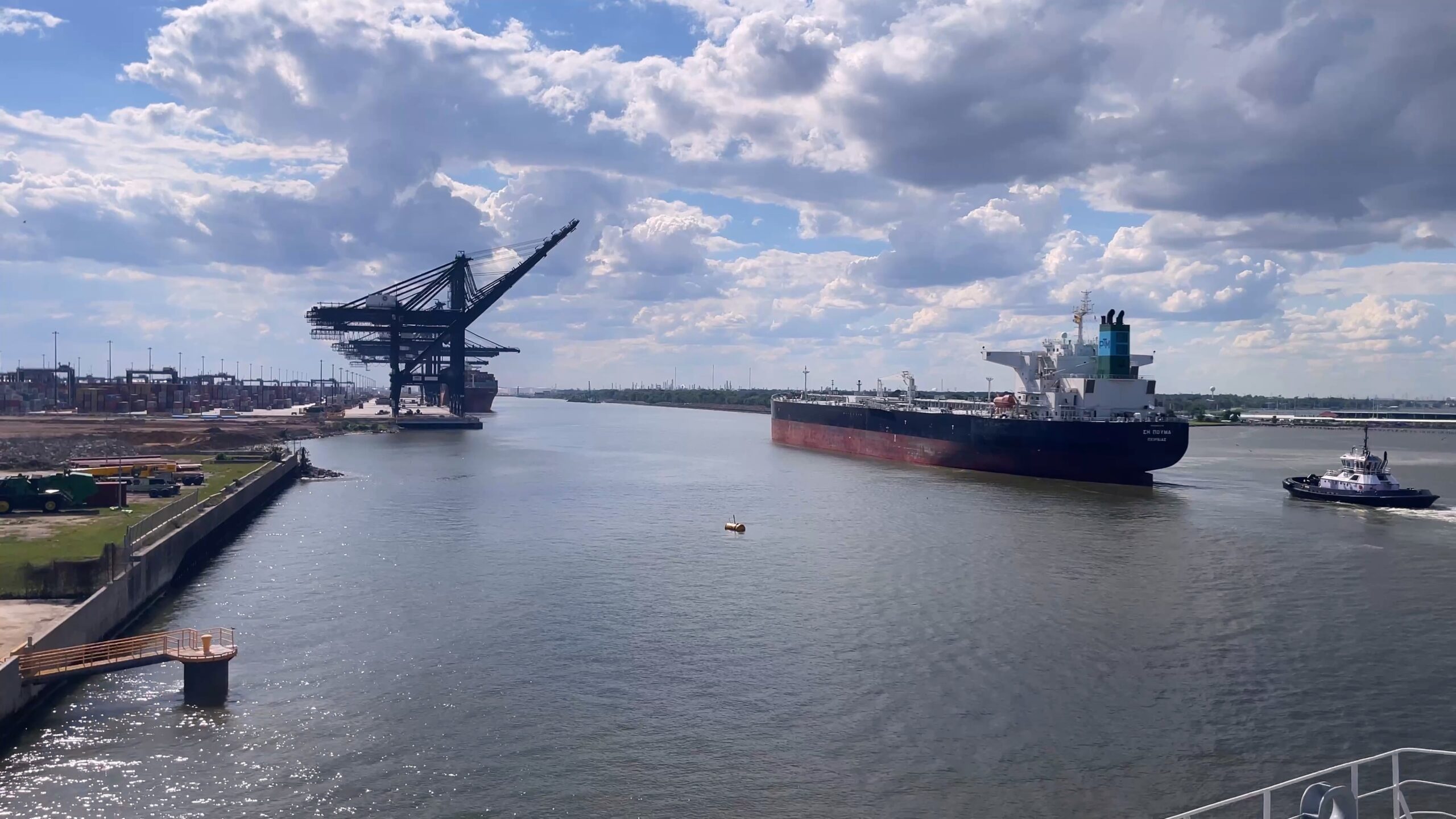
Contaminated VLSFO in US-Gulf Region
Contaminated VLSFO in US-Gulf Region
FINDINGS & INSIGHTS
Recently MARITEC has investigated 5 VLSFO samples that were bunkered in the US-Gulf region between June to July 2022. Operational Feedback was received from 2 vessels that had used these fuels indicating issues such as excessive wear of fuel pump plungers, barrels, and fuel injectors.
Further investigation through forensic analysis by ASTM D7845 Direct Injection and Solid Phase Extraction GCMS methods, has indicated these fuels to have an uncharacteristic detection of chemical species, specifically:
- Tetrachloroethylene (Chlorinated Organic Compound) at concentration less than 100ppm
- FAME at concentrations 300 to 400ppm
- Fatty Acids at concentrations between 50-2000ppm
Though there is insufficient literature that the presence of these compounds especially at these concentration levels causing issues as mentioned above, it remains a cause of concern as they are not natural products of a refinery stream.
Through experience and feedback from vessel usage, these compounds primarily affect the fuel service system resulting in excessive wear of injection components.
It may not always be possible to get a thorough GCMS analysis along with the supplier’s Certificate of Quality prior bunkering. If you are planning to bunker in this region, we recommend ensuring correct sampling procedure and proper documentation is carried out onboard to ensure true representation of the bunkered fuel. Record any event and document evidence indicating any operational issues faced onboard by the vessel during the fuel usage.
Alternatively, CTI-Maritec advises to pre-emptively conduct GCMS by D7845 and Solid Phase Extract to look out for such deleterious material and check whether the fuel supplied to the vessel contravenes stipulations of the MARPOL Annex VI Regulation 18.3 & ISO 8217 Clause 5 both of which mentions that marine fuels supplied to the ships should be free from chemical waste or added substances at quantities that may jeopardize the safety or adversely affects the performance of the machinery.
This document however does not reflect on the overall quality of fuel being supplied at US Gulf region, it is however advised to take the necessary precautions as indicated above.
Maritec Pte Ltd can assist you in with further information on quality of bunkers tested in different regions. If you require any other information or assistance do not hesitate to contact us.
DOWNLOAD BF202207-04
Bunker Flash
Nothing found.
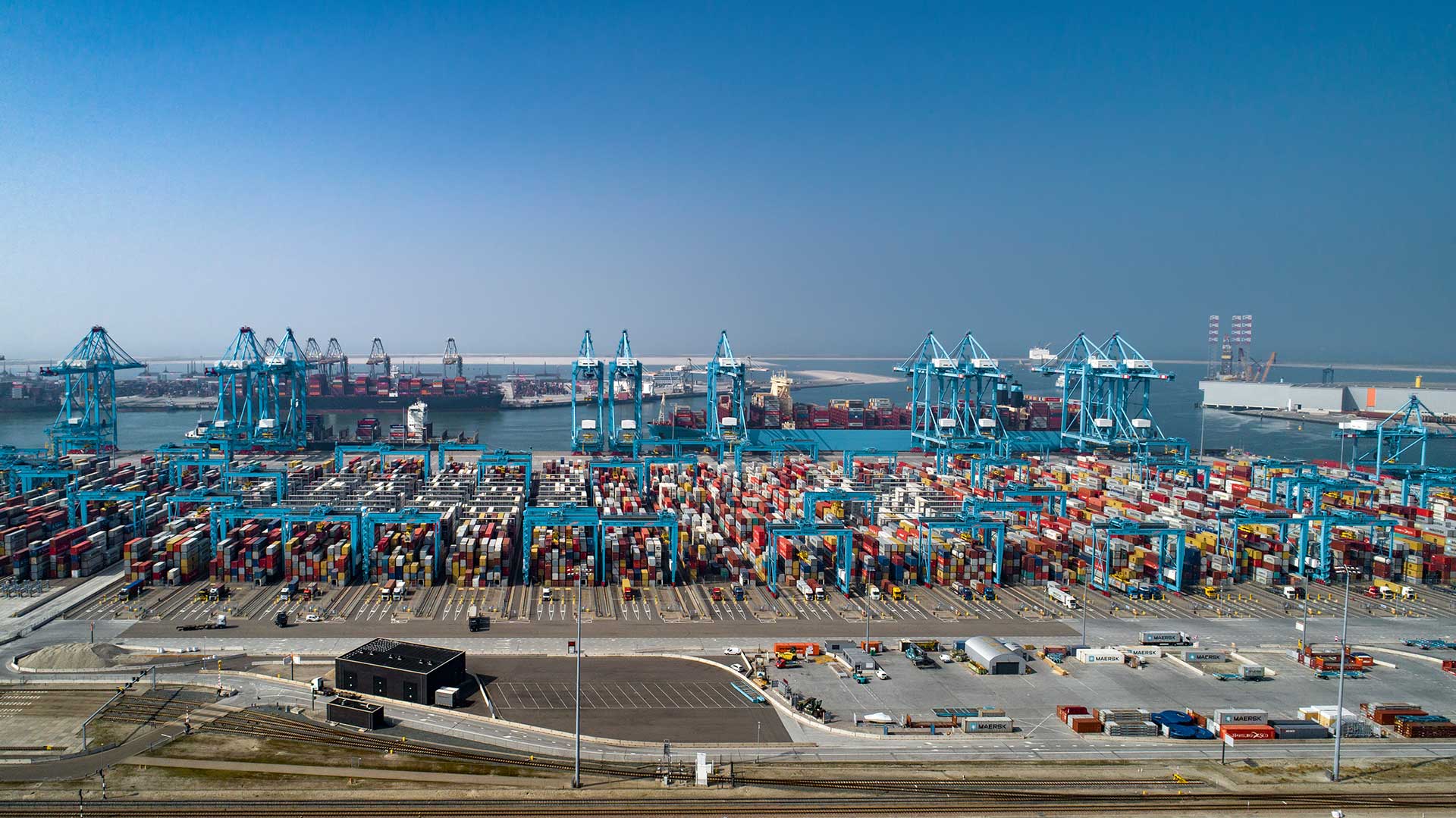
Chemical Contaminants in Fuels from ARA Region
Chemical Contaminants in Fuel from ARA Region
FINDINGS & INSIGHTS
Maritec has tested several VLSFOs delivered in the ARA region to be observed with the presence of chemical contaminants in the recent months. These VLSFOs also indicated elevated potassium content and acid number.
From these samples, CTI-Maritec has obtained feedback from vessels encountering rapid and excessive wear on fuel pumps on main propulsion engines and a tendency for increased deposit formation in the exhaust system.
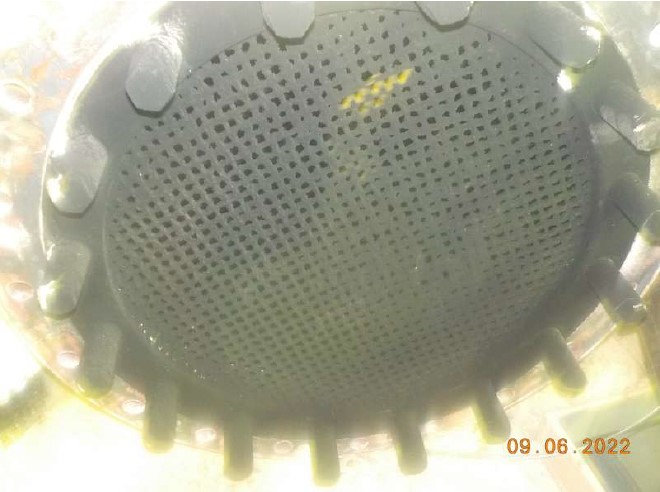 Figure 1: Exhaust grid fouling
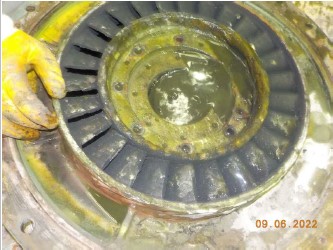 Figure 2: Turbocharger Nozzle Ring fouling
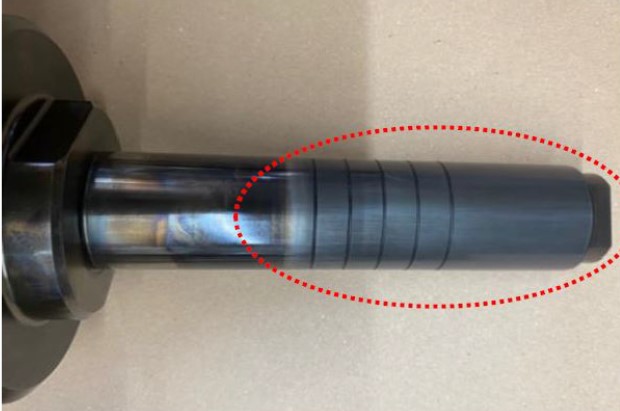 Figure 3: Fuel Pump Plunger wear down
Forensic analysis by Gas Chromatography and Mass Spectrometry techniques, specifically ASTM D7845 GC/MS and Solid Phase Extraction (SPE) GC/MS, on some of the samples revealed the presence of the following compound groups at abnormally high concentrations
- Fatty Acids and Monoglycerides (>1000ppm)
- Alkylresorcinols (>2000ppm)
- Phenolic compounds (>1000ppm)
Fatty acids and Monoglycerides are acidic compounds commonly found in fuels where the FAME content has broken down in the presence of water and have known to cause costly accelerated wear in fuel oil injection pumps. The presence of these compounds can also suggest an inclusion of substandard Bio-fuels into the blend. This also explains the high potassium content in the fuel as Potassium Hydroxide (KOH) is one of the possible catalysts used in the production of bio-diesel. The separation of the spent catalyst out from the final product is a complicated and expensive process. The increased potassium can also contribute towards the total ash forming tendency of the fuel leading to abnormal deposit formation in post combustion exhaust system components.
The presence of Alkylresorcinols and phenolic compounds suggests the inclusion of shale oil which is allowed as per the definition of ‘petroleum fuel’ in ISO 8217 standards. CTI-Maritec’s experience however has shown that the presence of these compounds tends to cause fuel instability leading to issues like filter blockages and purifier bowl overloading. This is despite the Total Sediment potential tests being within specification. Any sludge not capable of being removed by the fuel treatment system can cause combustion issues in the main engine.
If your vessel is expected to bunker in the ARA region; CTI Maritec advises to check the pre-bunkering certificate of quality or Manifold sample test results for signs of abnormally high potassium content (>110ppm) and/or high total acid number (>1.5mgkoh/g) and pre-emptively analyze the bunker fuels by Gas Chromatography and Mass Spectrometry (GC-MS) that can reveal the presence of undesirable compounds in the fuel thus safeguarding vessel operations.
In every case, CTI Maritec urges bunker fuel receivers to ensure thorough attention is given to the witnessing of correct sampling procedures during bunkering, counter-sealing and recording of seals in the bunker delivery note and any other documentation required to ensure correct representative samples are obtained during the bunkering process.
Collecting objective evidence on the storage, treatment and usage of the fuel is to be always given a high priority in the event an operational problem occurs to determine if the fuel used was one of the root causes for a machinery failure.
This document however does not reflect on the overall quality of fuel being supplied at ARA region.
Maritec Pte Ltd can assist you in with further information on quality of bunkers tested in different regions. If you require any other information or assistance, please do not hesitate to contact us
DOWNLOAD BUNKER_FLASH
Bunker Flash
Nothing found.
Low Flashpoint VLSFO Bunkers in Singapore
Low Flashpoint VLSFO Bunkers in Singapore
FINDINGS & INSIGHTS
Maritec Pte Ltd has tested five samples representing VLSFO deliveries in Singapore with flashpoint as low as 50°C for the period of 12th June 2022 to 24th June 2022 from various suppliers.
SOLAS Chapter II-2, Part B, Reg. 4. Clause 2.1.1 states
“The following limitations shall apply to the use of oil as fuel, except as otherwise permitted by this paragraph, no oil fuel with a flashpoint of less than 60°C shall be used.”
If your vessel has bunkered a low flashpoint fuel it is prudent to observe the below precautions.
- Flame screens on tank vents should be maintained in good condition and there should be no sources of ignition in the vicinity of the vents. This will assist in safe natural ventilation of volatile components in the fuel.
- No Smoking, No naked flame and No hot work must be allowed at any areas near to tank air vents.
- Send additional tank(s) samples upon arrival in port to check the fuel properties and flash point results especially if there has been co-mingling of fuels in bunker tanks
- If the vessel is out at sea it may be possible to obtain dispensation from your Flag State Administration up to next arrival port
- Put the supplier on notice promptly and notify your P&I club.
ISO 4259 interpretation for tested flashpoint temperature is not taken into consideration here as the safety of onboard crew and vessel is of higher precedence.
This document however does not reflect on the overall quality of fuel being supplied at Singapore, if you intend to bunker at this region please request for a Certificate of Quality prior to loading.
Maritec Pte Ltd can assist you in with further information on quality of bunkers tested in different regions. If you require any other information or assistance do not hesitate to contact us
DOWNLOAD BUNKER_FLASH_BF202207-02
Bunker Flash
Nothing found.
Organic Chlorinated Compounds from Singapore Region
Organic Chlorinated Compounds from Singapore Region
FINDINGS & INSIGHTS
Updates to detection levels and effects on machinery encountered
Issued on 20 April 2022
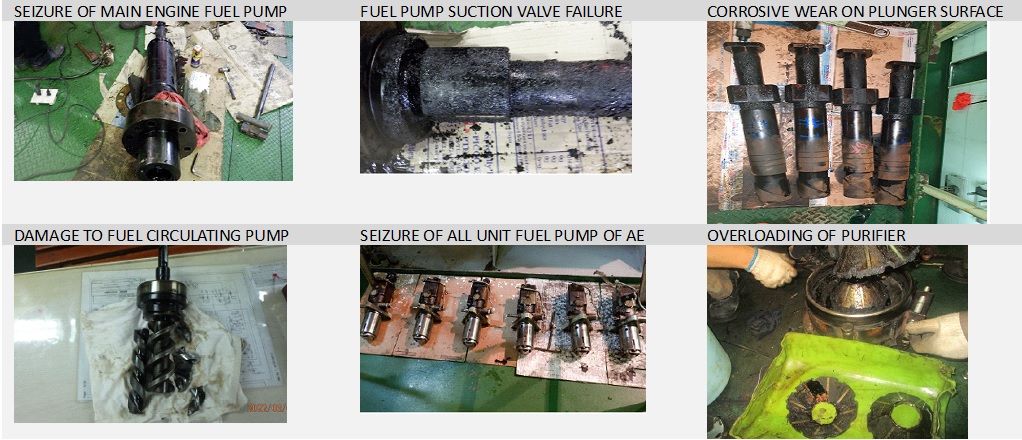
Since the last alert (BF202203-02) dated 15-March-2022 on High Sulphur Bunker fuels contaminated with chlorinated organic compounds, CTI-Maritec has kept a close watch on the fuel quality in the region and collated further feedback on the fuel’s usage. The summary data on samples from Q1 2022 shows the contaminants mainly have a detrimental effect on the fuel injection system and to a certain extent on the fuel treatment and filtration system.
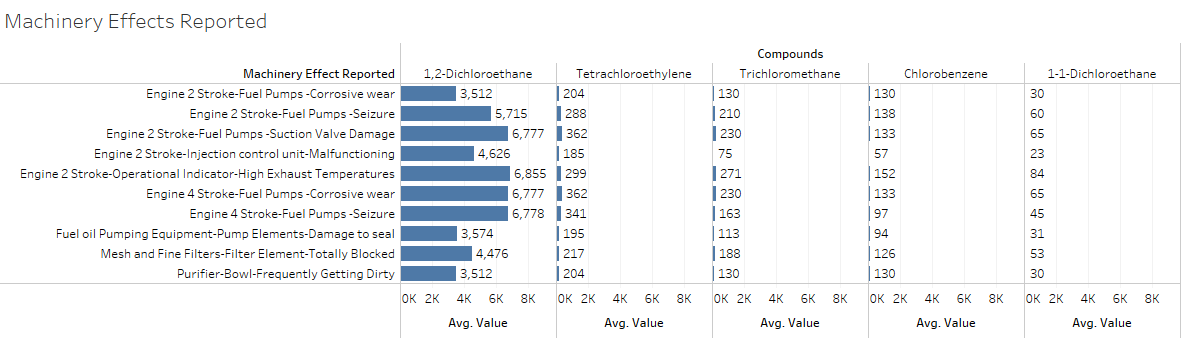 The damages reported have affected both conventional and electronic engines and not limited to any Engine maker and type. This has led to failure of prime movers for the vessels affected by the contaminated fuel.
Our investigation thus far confirmed high concentration level with an average value of 3419ppm on 1,2-Dichloroethane (CAS no.107-06-2) as the main compound detected. This compound in its pure form is considered hazardous to personnel by OSHA causing irritation to eyes, respiratory system and skin depending on the exposure concertation and time. As with any marine fuel it is advised to ensure sufficient ventilation in the machinery spaces, particularly in the fuel treatment room. It is also advised to minimize personnel exposure to fuel tank vent heads as these chlorinated organic compounds have low boiling points that can be below the heating temperature of settling and service tanks.
It is difficult to determine a safe concentration level suitable for marine diesel engine usage or the baseline wherein machinery problems may occur. Due to the severity of the Machinery problems faced, we urge vessel operators to continue pre-emptively testing the fuels bunkered in the region by accredited test methods to detect these contaminants assessing the risk each bunker stem has on the vessel machinery.
It should be further noted that the compounds in question are not listed in the component table of the test method ASTM D7845-20 comprising of 29 commonly detected compounds and therefore can be missed by the quality control process in the supply side.
Maritec offers ASTM D7845-20 GCMS analysis & in addition extra 22 compounds calibrated with external standards for accurate quantification which includes organic chlorides.
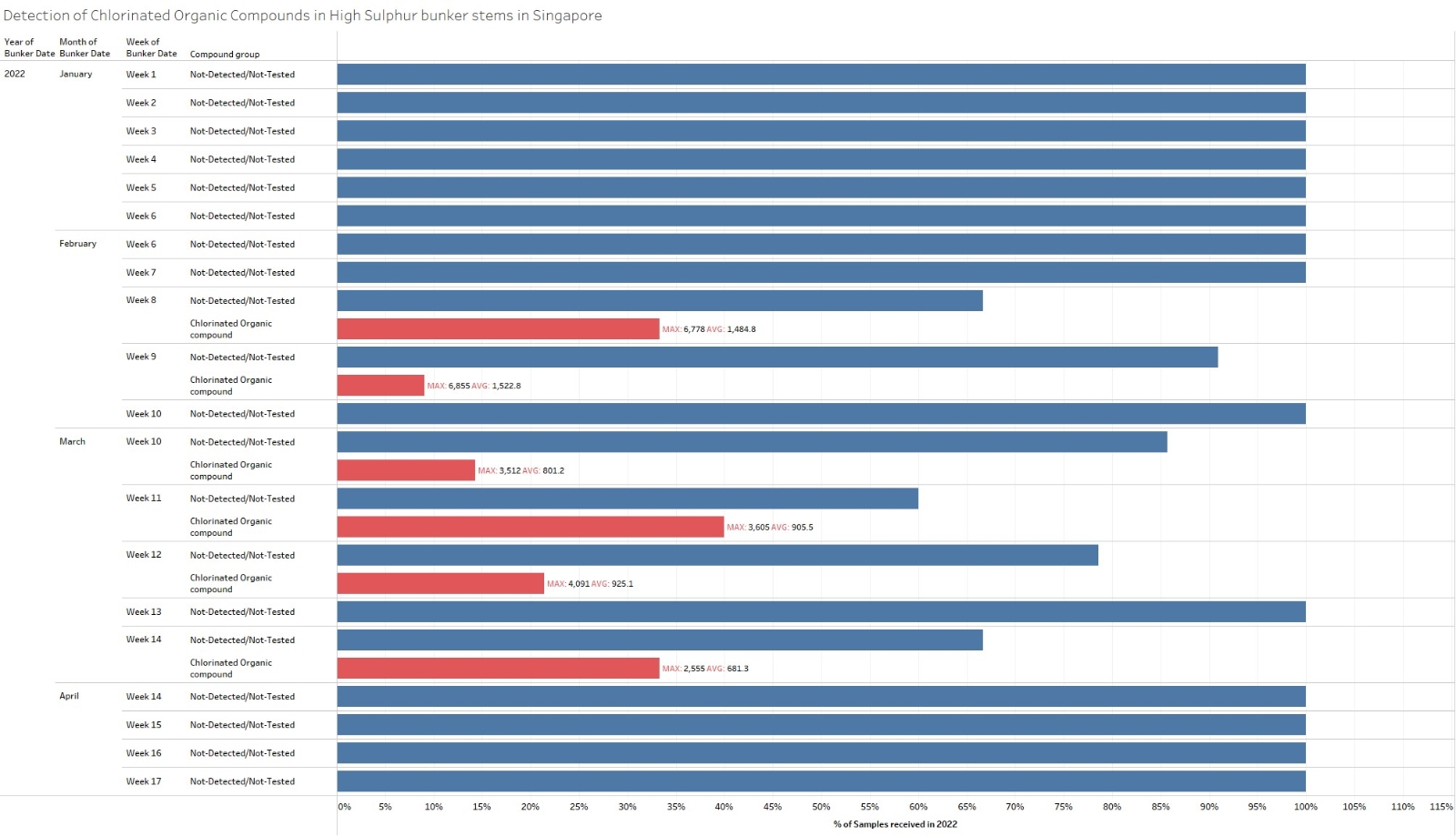
The percentage of High Sulphur fuels detected with Chlorinated Organic Compounds by CTI-Maritec in Singapore bunker stems in 2022 is given below, a decreasing trend in the detection is observed for April 2022. Nevertheless, CTI-Maritec advises vessel owners to be vigilant and continue to pre-emptively test their fuel samples obtained from the receiving manifold.
 Recommendation by CTI-Maritec:
- Obtain quality assurance and test proof from suppliers on the absence of chlorinated organic compounds in the intended stem prior bunker delivery (This will require testing beyond the scope of standard ASTM D7845-20 test method)
- Plan your bunkers well in advance to keep the incoming fuel segregated and reduce the risk of comingling.
- Ensure sampling procedure during bunkering is witnessed by both supplier and receiver and sample bottles are counter-sealed and same recorded in the Bunker Delivery Note.
- Pre-emptively test vessel manifold samples by accredited GCMS test methods capable of identifying the chlorinated organic compounds – preferably quantitative methods to identify the concertation levels of the detected compounds.
- Pre-emptively conduct stability analysis outside the scope of ISO8217 involving the referee TSP method.
- It is noted that the recent samples with the high levels of chlorinated organic compounds tested poorly for fuel stability when subject to Manual P-value by SMS1600 test method.
- Be aware of your bunker supply contract and the notification time limit stipulated to flag potentially problematic fuels to the supplier.
- Where chlorinated organic compounds have been detected, gather sufficient evidence to support further investigation. Proceed to conduct joint analysis in agreement with the supplier by an independent laboratory capable of detecting the compounds to determine the compliance with ISO8217 clause 5 – General Requirements.
This document however does not reflect on the overall quality of the fuel being supplied in Singapore. If you intend to bunker at this region, CTI-Maritec can assist you with further information of the bunker quality in the region.
If you require any other information or assistance do not hesitate to contact us
DOWNLOAD BUNKER_FLASH
Bunker Flash
Nothing found.